|
||||||||||||||||
|
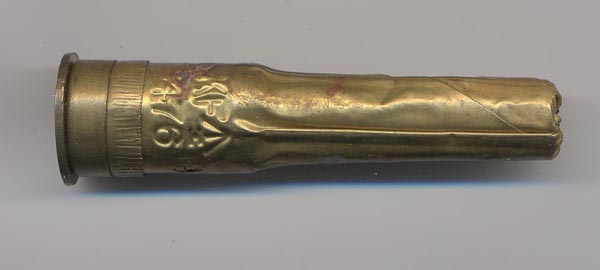
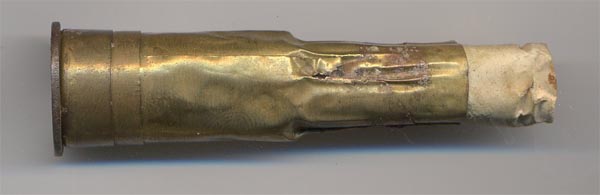
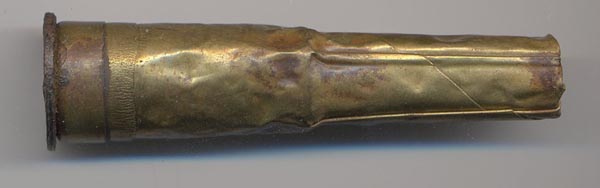
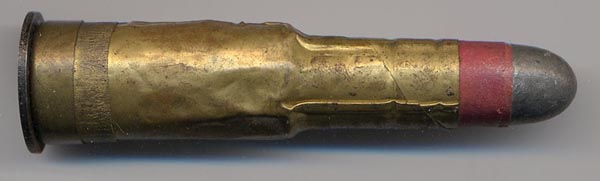
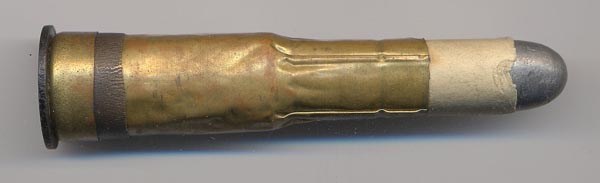
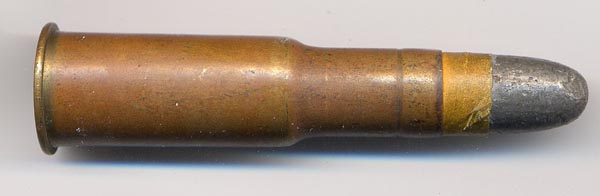
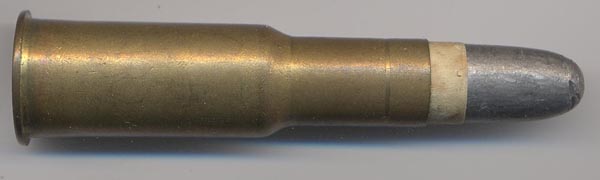
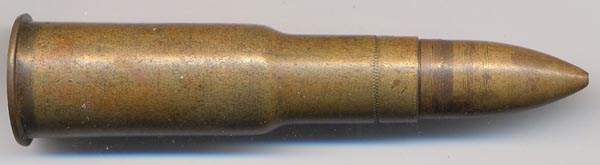
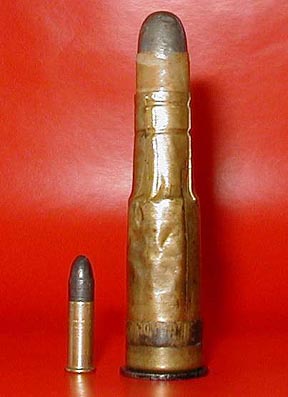
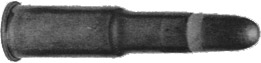
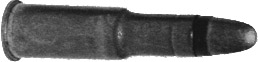
The Short Chamber Boxer-Henry .45 caliber is a rather unique cartridge. Most people are awestruck when they see it for the first time. It is big, bad, and ugly. I think the most common thought I hear when showing one to somebody who has never seen it before is the suffering the Zulus who were shot with this cartridge must have endured if not killed outright. Colonel Edward Mounier Boxer of the Woolwich Royal Arsenal in Kent County was the true genius behind much of the new technology in the cartridge. Namely, the coiled brass case. Though primitive looking by today's standards, the coiled brass case was a remarkable breakthrough in metallic cartridge development. The reason behind the coiling of the cartridge is best described in Col. E.M. Boxer's own patent (Boxer's Patent No.137 1/15/1866)... "My invention has for its object to construct the cases of cartridges for breechloading firearms and ordnance in such a manner that they shall rapidly expand by slightly uncoiling and stretching on firing so as to fill the chamber and will contract slightly after firing so as to admit of the empty case being easily removed." Eventually, a solid, drawn brass cartridge was adopted to replace the rolled or coiled brass cartridge. It was found to be resistant to rough handling, it produced superior muzzle velocities and had the same qualities of expanding to fill the chamber and form a seal as did the coiled brass case. Best of all, it had fewer parts and required no assembly, as did the coiled case. In trials of the Martini-Henry, there were two cartridges proposed for use with the rifle. The original was a long .45 caliber cartridge containing 85 grains of Curtis and Harvey #6 black powder. In trials, this "Long Chamber" cartridge was found to be awkwardly long and difficult to handle and load. As a result, W.T. Eley experimented with the cartridge and eventually invented a revised, shorter cartridge capable of holding the same charge of powder. This was accomplished by enlarging the base portion of the cartridge into what has become familiarly known as a "bottle neck" shape. Through trials, this was referred to as the "Short Chamber" cartridge, and upon acceptance, its nomenclature in the L.O.C. was "Short Chamber Boxer-Henry .45 caliber". This new cartridge utilized "R.F.G.2" Powder. This stands for "Rifled, Fine Grade. No.2". This powder meshes 12 to 20, with a density of 1.72 to 1.75. This powder was used in the majority of Martini-Henry ball cartridges. Check the links page for sources of brass and reloading supplies.
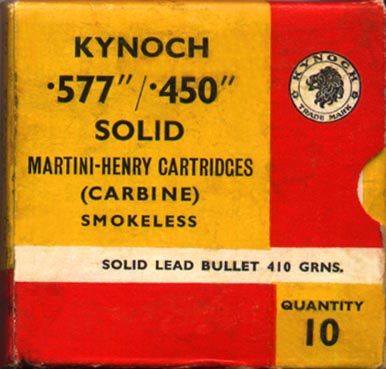
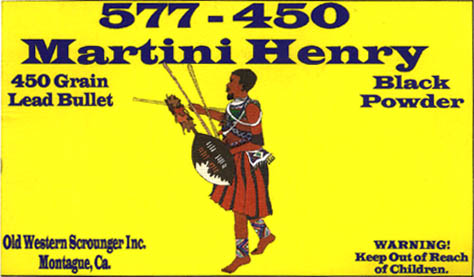
A box of commercial Boxer-Henry .45 Caliber
Carbine-Load cartridges made by Kynoch (a division
of Imperial Chemical Industries Limited, Metals
Division). The manufacture date stamped on this box
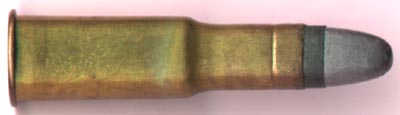
is May, 1952. A cartridge from the box above. Note the green
paper patching around the bullet indicating a
Carbine Load.
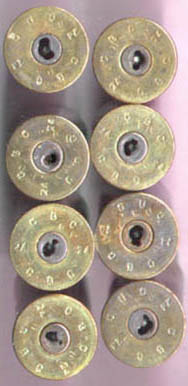
Pierced Berdan primers are a
problem with the OWS version of the .450 Martini-Henry. The rounds pictured here were
fired from a Mark I Carbine, which has been
inspected and found functional and within specs by
a competent gunsmith. Since I've heard a few
reports of this problem, I sent "Dangerous Dave" of
OWS an email asking about this issue. He responded
that OWS is aware of the issue (which is caused by
poor quality Berdan primers) and that they will
soon be selling a new revision of the cartridge
featuring Boxer primed, cases. UPDATE, 17
JAN 02: Just talked
to OWS, the new M-H Brass is boxer primed, but it's
Kynoch brass. This is great quality stuff, but at
$139 per 20 rounds, it's a bit on the ridiculous
side for most people! Looks like it's time to shoot
the .303 Martinis! OWS suggests using 6504 Primers
with their Berdan brass as a workaround, however,
they've said they have no plans to change the
crappy primers they sell with them!!! UPDATE, 05
JAN 09: OWS no longer sells the .450 Martini-Henry, and from what I hear, hasn't in quite some time.
British Specifications from the LoC...
|
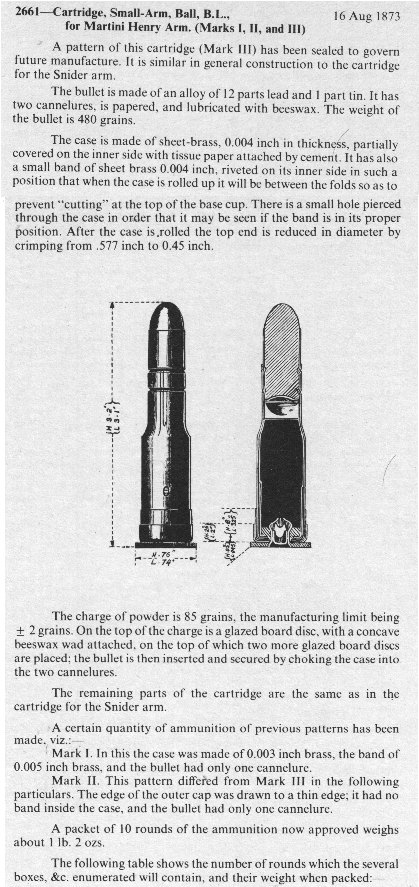 Rolled
Brass Boxer-Henry .45 Data
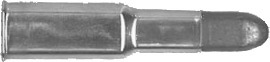
Rolled
Brass Boxer-Henry .45 Data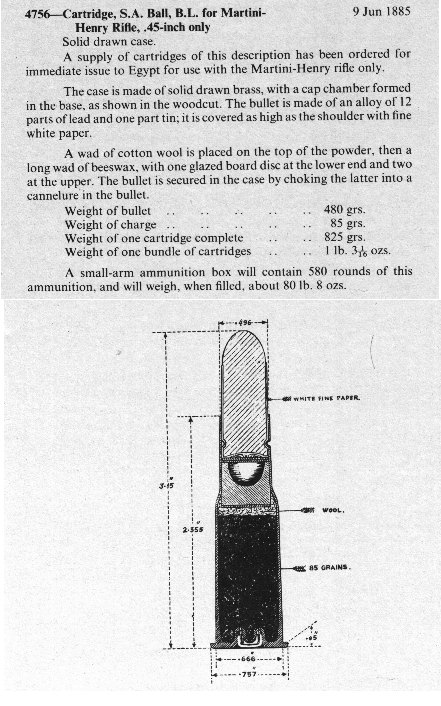 Solid,
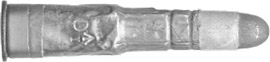
Drawn Brass Boxer-Henry .45 Data
Solid,
Drawn Brass Boxer-Henry .45 Data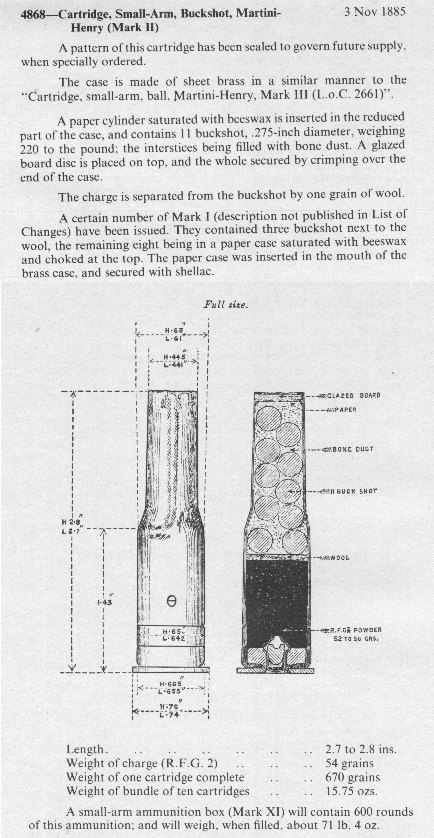 Buckshot
Boxer-Henry .45 Data
Buckshot
Boxer-Henry .45 Data